Brampton Cleaning Service Experts
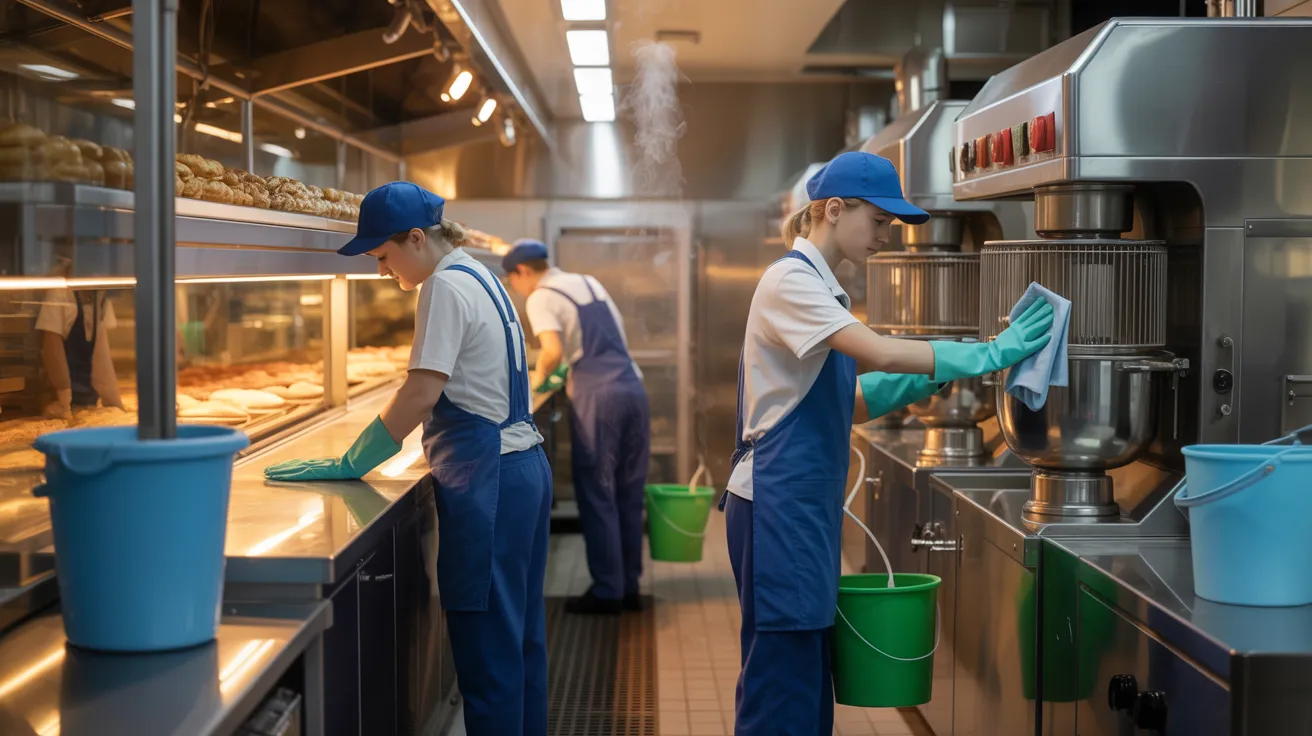
Professional sanitation and food safety professionals in Brampton assist food establishments, food centers, baking facilities, warehouses, and mobile food services maintaining standards. They sanitize regularly touched surfaces, food contact areas, equipment, floors, drains, restrooms, and food handling spaces with approved chemicals, at correct dilution, and documenting contact times. You need scheduled cleaning based on risk, food throughput, allergens, and inspections, along with verification records backing HACCP, audits, and regulatory adherence. The sections below explains what strong sanitation programs should include.
Main Points
- Brampton food safety cleaning experts assist restaurants, grocery departments, commissaries, warehouses, bakeries, schools, mobile vendors, and allergen-sensitive operations.
- They clean frequently contacted areas, food-contact equipment, kitchens, floors, drains, restrooms, and storage areas using sectional methods to prevent cross-contamination.
- Trained vendors validate approved sanitizer dilution, compatibility, and exposure duration, then document finalization with checks, assessments, and corrective-action records.
- Maintenance plans need to adhere to danger, throughput, transitions, releases, and standards, with routine, weekly, and seasonal operations assigned by location.
- Focus on vendors showing HACCP, public-health competency, safety training instruction, protection, references, color-coded implements, and compliance-ready sanitation documentation.
Which Brampton Establishments Need Food Safety Cleaning?
Brampton facilities that process, store, prepare, package, or distribute food require food safety cleaning. Implement it if your establishment is regulated by health department oversight, food standards, or HACCP systems. The rule covers restaurants, cafeterias, commissaries, grocery food departments, butcher shops, seafood counters, convenience stores, and institutional kitchens.
You also need compliant food safety cleaning in supply warehouses, manufacturing facilities, refrigerated storage, bakeries, school feeding programs, reception facilities, and delivery centers. Temporary and mobile establishments count too, including catering vehicles, market vendors, and seasonal stalls. If your staff handle ingredients, section prepared foods, heat finished items, or keep allergens stored, your facility needs recorded sanitation procedures. In Brampton, cleanliness isn't voluntary; it's part of legal, operational, and consumer protection compliance.
What Services Do Brampton Cleaning Experts Provide?
You need skilled cleaning experts who sanitize frequently touched areas, cooking areas, flooring, and bathrooms to ensure compliance with food safety and health standards. These areas are targeted due to their high cross-contamination potential, slip and fall dangers, and regulatory breaches.
If you comprehend their cleaning services, you'll successfully ensure your operation satisfies all operational and regulatory compliance needs.
High-Touch Surface Disinfection
Professional cleaning in Brampton services emphasize high-touch surface sterilization considering the danger of microbes and residue distributing across your space. You require a formal plan for disinfecting all high-touch items including handles, plates, switches, railings, control surfaces, POS systems, and refrigeration equipment. Implementing surface identification mapping, teams locate every commonly touched point and set cleaning schedule
Preventing contamination spread by swapping towels, implementing unidirectional workflows, and keeping cleaning tools according to section ensures your disinfection program stays quantifiable, justified, and ready for inspection.
Food Prep Areas, Flooring, and Sanitary Facilities
Brampton cleaning services focus on kitchens, floors, and restrooms as each zone involves different sanitation, slip-and-fall, and public health concerns. In industrial kitchens, you need degreasing on cook lines, equipment exteriors, drains, prep surfaces, and splash zones to reduce contamination and pest pressure.
Floor care that is documented should equally be anticipated. Technicians clean and remove buildup from tile grout, ceramic surfaces, and vinyl floors, then apply suitable dehydration methods so you can limit falls and maintain code-compliant conditions. They also handle entry points where dampness and dirt enter the building.
In restrooms, cleaners treat touchpoints, fixtures, partitions, dispensers, and waste containers then restock supplies and control odours. They also service restaurant moprooms, where chemical storage, sink hygiene, and drainage conditions can affect sanitation compliance and staff safety daily.
Food Safety Cleaning Significance for Brampton Businesses
To comply with regulatory mandates and succeed in audits, Brampton establishments must follow appropriate cleaning protocols. You also minimize bacterial spread through proper cleaning of food-preparation surfaces, appliances, and frequently-touched items. Most importantly, you help protect public health by lowering the risk of foodborne illness in your facility.
Health Code Compliance
Food businesses in Brampton face strict public health standards, making food safety cleaning vital to meeting health code requirements, safeguarding patrons, and eliminating enforcement action. You must maintain sanitized food contact points, recorded sanitation plans, correct sanitizer application, and documented employee protocols that meet municipal and provincial inspection expectations.
Keeping detailed hygiene logs demonstrates due diligence for compliance reviews and shows that your procedures are uniform, replicable, and documented.
Contamination Control
Adhering to regulatory guidelines requires your skill in preventing cross-contamination throughout routine preparation and sanitation work. You need to isolate uncooked items from finished products, sanitize work stations after each task, and keep chemicals away from food-contact items. Organized systems minimize contamination events and maintain ongoing regulatory adherence.
You should establish allergen separation to prevent major allergens from touching shared surfaces, containers, or equipment. Use dedicated cutting boards, color-coded tools, and strict utensil labeling so staff don't mix items during preparation or service. Require handwashing after handling raw meat, seafood, eggs, or allergen-containing products. Change cleaning rags frequently, and check disinfectant potency using test kits. When you train staff to follow these controls every shift, you build a more hygienic, secure workplace that satisfies Brampton's safety standards consistently.
Public Health Protection
If food safety cleaning declines, you don't merely risk a failed inspection—you amplify the risk of foodborne illness affecting customers, staff, and the broader Brampton region. You also weaken your role in protecting public health, especially in high-traffic food premises where contamination can spread quickly through surfaces, equipment, and touchpoints.
You must implement sanitation protocols that eliminate contaminants, effectively sanitize, and verify results. This entails adhering to exposure times, deploying approved disinfectants, maintaining records, and training employees to meet compliance standards. These actions support pathogen control by reducing microbes before contaminating food or hands. In Brampton, robust sanitation protects at-risk groups, curtails outbreak likelihood, and proves your diligence. When you maintain standards, you exceed requirements—you meaningfully lower danger and promote secure food service across the region.
Why Is Cleaning Essential for Food Safety Compliance?
Committing to comprehensive cleaning schedules underpins food safety compliance by minimizing contamination hazards, preventing pathogen multiplication, and positioning your facility in accordance with sanitation requirements under HACCP-based programs and public health regulations. You verify that contact surfaces appear visibly clean and microbiologically controlled, supporting documented preventive controls and inspection readiness.
Cleaning initiatives additionally upgrade allergen management by removing residues that can cause undeclared allergen exposure.
Finding When to Schedule Commercial Cleaning
Routines for cleaning are most successful when established based on risk factors, production capacity, and regulatory needs instead of just a predetermined calendar.
Use every week or every month schedules
Finding Quality Brampton Cleaning Experts: A Guide
Start by screening providers against food sanitation standards, not price alone. You should verify that each company understands CFIA, public health, and HACCP compliance standards relevant to your facility. Ask for insurance documentation, WHMIS compliance, documented staff training, and supervision practices. Review whether technicians understand cross-contamination risks, chemical handling, and traceable sanitation records.
You must also evaluate operational reliability and oversight. Seek references from Brampton food companies, then assess response times, corrective-action procedures, and communication standards. Ensure the company enables supplier checks and can provide inspection-compliant records when authorities or third parties demand verification. Verify equipment is maintained, colour-coded tools are deployed correctly, and operational-specific risks are understood. A reputable service safeguards compliance, product integrity, and your brand reputation.
What's covered in a Food Safety Cleaning Plan?
Create a documented strategy that makes clear every sanitation task, standard, and responsibility before production begins. You should outline cleaning schedules, authorized chemicals, concentration levels, contact duration, implements, and validation techniques for each location, surface, and apparatus. Include pre-operational inspections, corrective actions, and employee training requirements.
Your program should also address cross-contamination controls, waste handling, pest-prevention measures, and documented schedules for restrooms, drains, floors, and food-contact areas. Detail how you'll separate raw and ready-to-eat processes, enable ingredient tracking, and maintain accurate allergen labeling through validated cleaning between product changes. You should assign accountability, keep signed records, insightful guide and review results against regulatory standards, HACCP controls, and customer requirements. When gaps appear, revise procedures immediately and re-educate staff.
Regular Asked Questions
Do cleaning services operate during overnight shifts at Brampton properties?
If you run regulated facilities, you'll also need records that support inspections and maintain assurance.
Can sanitation professionals handle emergency spill response?
Yes, you can find many Brampton cleaning professionals offering emergency response services. They handle contamination, assess dangers, contain affected areas, and execute rapid cleanup to minimize risk and limit operational impact. You should confirm timeframes, training credentials, protocols, and disposal methods. If your facility needs compliance, pick a provider that documents incidents, maintains standards, and ensures verification.
Do environmentally safe disinfectants function safely on food-handling equipment?
Definitely, eco-friendly disinfectants perform safely on food-contact surfaces if you purchase solutions certified for food use that comply with compliance requirements. You need to verify contact times, mixing proportions, and rinse protocols in advance of use. Natural-based solutions decrease chemical hazards, but you need confirmation of performance against target microorganisms. To ensure residue free surfaces, implement precise manufacturer instructions and confirm your disinfectant complies with applicable food industry sanitation standards.
Can sanitation programs flex with production fluctuations?
Certainly, cleaning plans respond to seasonal variations effectively. Revise intervals, personnel, chemicals, and testing procedures to align with seasonal workflows while maintaining regulatory adherence. Reduce production downtime through scheduling disinfection during line changes, peak seasons, and usage cycles. Concurrently update procedural documents, employee training, and facility monitoring to address transient threats, novel allergens, or higher contamination levels. Regular reviews preserve the plan efficient.
Will professional cleaning services train employees on hygiene best practices?
Yes, professional cleaning services often train your team on hygiene standards. You receive staff training on correct chemical application, contact times, contamination control, machine breakdown, and record keeping. They typically align instruction with HACCP, GMP, and CFIA or regional health department regulations. Many perform hygiene inspections to confirm adherence, identify gaps, and strengthen remedial steps. This allows you to maintain consistent procedures, pass inspections, and minimize contamination hazards regularly.
Final Thoughts
By collaborating with Brampton food safety and commercial cleaning experts, you aren't simply tidying—you keep your operation compliance-focused and your practices in compliance. From production areas to kitchen zones, every sanitized surface and organized space reduces pest risk and avoids expensive losses. By scheduling cleanings at appropriate intervals and following a documented cleaning plan, you secure staff members, clients, and your credibility. In a heavily controlled environment, clean spaces are mandatory—they're key to business compliance.